
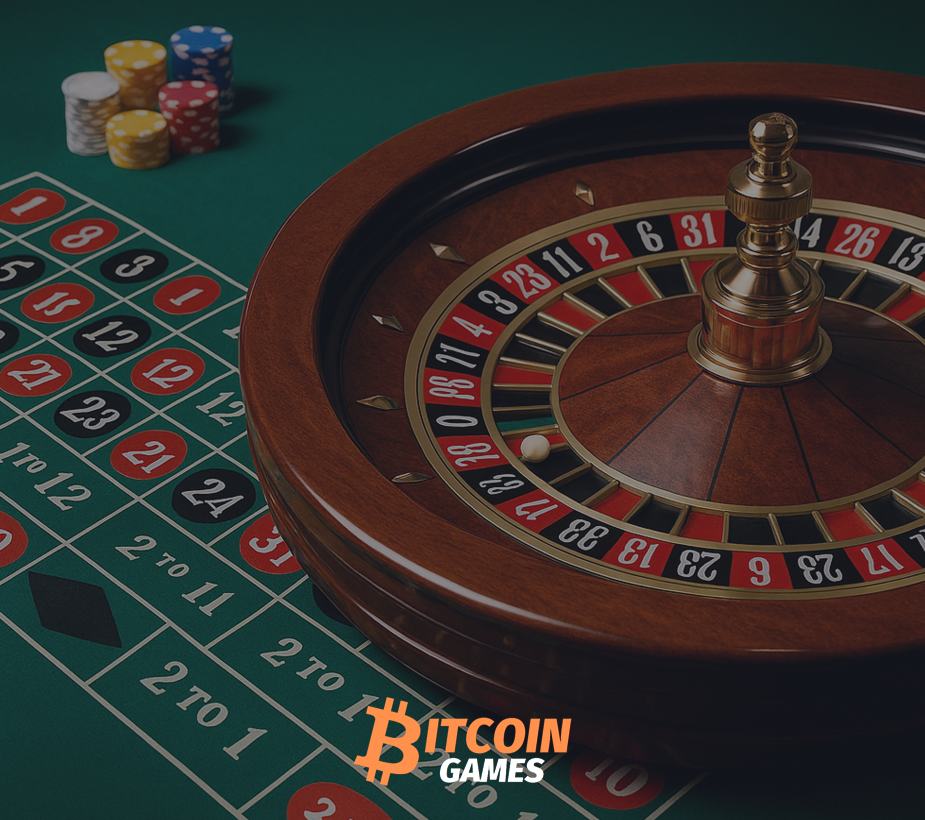
Roulette rewards players who understand its structure. Every chip you place falls into a defined category with a known probability, a fixed payout, and an implied house edge. When you know those numbers and you follow a clear plan for variance and bankroll, sessions become calmer and results make sense. This guide explains the core bet types, how the wheel layout changes your expectation, why French rules matter on even money bets, how call bets cover wheel sectors, and how to build sessions that fit your risk tolerance without relying on myths.
Two layouts dominate. European roulette has 37 pockets from 0 to 36. American roulette has 38 pockets because it adds 00. Payouts do not change between the two, so the extra pocket on the American wheel reduces the chance that any player outcome hits while the prize stays the same. That gap is the house edge. On a European wheel most bets carry a 2.70 percent edge. On an American wheel most bets carry a 5.26 percent edge. If you can choose, the single zero layout is the professional option for long sessions.
Inside bets cover single numbers or tight clusters located on the inner grid. They pay more because they hit less often. The figures below assume a European wheel. On an American wheel the denominator becomes 38 which lowers each hit rate and increases effective edge.
This is a chip on a single number including zero. The payout is 35 to 1 plus your stake back. The hit rate is 1 in 37 which is about 2.70 percent. The fair payout for this probability would be 36 to 1. The one unit gap is the reason the house wins on average. This bet delivers the highest variance among standards and should be used in short, planned bursts rather than as a session backbone.
This is a chip placed on the line between two adjacent numbers. The payout is 17 to 1. The hit rate is 2 in 37 which is about 5.41 percent. It is a popular way to target a seam when you have a bias for two neighbors without paying the full drought risk of single numbers.
This covers three numbers in a horizontal row. The payout is 11 to 1. The hit rate is 3 in 37 which is about 8.11 percent. It is a controlled way to add inside flavor while avoiding the long dead patches common with straight ups.
This chip sits on the junction of four numbers. The payout is 8 to 1. The hit rate is 4 in 37 which is about 10.81 percent. Corners are efficient when you want compact coverage near a zone you like.
This covers six numbers across two adjacent streets. The payout is 5 to 1. The hit rate is 6 in 37 which is about 16.22 percent. Lines provide the broadest standard inside coverage before you step into outside bets.
Outside bets sit on the outer sections of the layout and cover large sets at lower payouts. They are the foundation of a stable session because they hit often. Zero prevents these from breaking even which is where the edge arises. Use them as your default structure and add inside accents only when planned.
You back all red or all black numbers. The payout is 1 to 1. The hit rate on a European wheel is 18 in 37 which is about 48.65 percent. Variance is low compared with inside bets, but you must accept that the green zero lands at predictable intervals over a long sample.
You back all even or all odd numbers. The payout is 1 to 1. The hit rate and edge match the color bet. Many players enjoy mixing color and parity during a session, but remember that each spin is independent.
You choose 1 through 18 or 19 through 36. The payout is 1 to 1 with the same 18 in 37 hit rate. This is the cleanest way to learn rhythm and chip handling with minimal stress.
You pick the first, second, or third set of twelve numbers. The payout is 2 to 1. The hit rate is 12 in 37 which is about 32.43 percent. Dozens are a flexible mid variance structure that combines well with one or two small inside chips near your favored zone.
You back one of the three vertical columns of twelve numbers. The payout and hit rate mirror dozens. The only difference in feel comes from the board geometry which can pair neatly with some specific inside patterns.
Two rule variants improve the expectation of even money bets on European wheels. La Partage returns half of your stake if zero lands. En Prison holds your stake for one more spin if zero lands and returns it with no profit if your side wins on that next spin. Both rules reduce the edge on even money bets to 1.35 percent. If you see either rule in a live studio or online lobby, use it for your backbone bets.
Many European layouts include a racetrack shaped panel that mirrors the physical sequence of numbers on the wheel. Call bets are predefined patterns that place multiple chips to cover sectors quickly. They do not change expected value, but they change how variance feels because coverage follows wheel arcs rather than flat clusters on the felt.
This covers 17 numbers around the zero sector using a mixture of splits, a trio, and a corner. It suits players who want continuous exposure near zero for several spins without rebuilding placements each time.
This covers 12 numbers on the opposite side of the wheel using six splits. It is useful when you want to pivot away from the zero sector and press action across the table efficiently.
This covers the remaining 8 numbers that are not included in the two sets above. It uses a few straight ups and splits. Many players add Orphelins as a small side pattern to complete wheel coverage during turbulent patches.
Payouts are rounded against the player rather than priced at fair odds. A straight up on a European wheel hits 1 time in 37. The fair payout for that probability would be 36 to 1. The game pays 35 to 1. The same rounding exists for every bet type. This is why no flat bet overcomes the edge. Your choices are about volatility and table quality, not about finding a secret positive expectation within the standard layout.
Think in bands. Even money bets are low variance and define the backbone of a long, controlled session. Dozens and columns are mid variance and create manageable spikes. Lines and corners are higher variance and produce sharper swings. Streets, splits, and straight ups are high variance and should be run in short, pre planned bursts. A professional session usually combines a low variance base with measured inside accents rather than sitting in high variance for long stretches.
Separate your session bankroll from life money. Decide a base unit before you place the first chip. For low variance play use a session of 50 to 100 units. For mixed sessions that include regular inside clusters use 100 to 200 units. Set a stop loss equal to 10 to 20 percent of the session roll and a stop win equal to 20 to 40 percent. When either threshold hits, book the result and review rather than aimless chasing. Increase or decrease unit size only between sessions after you review notes, not mid session after a swing.
You risk 1 unit on a corner. The hit rate is 4 in 37 which is about 10.81 percent. The payout is 8 to 1. Expected result per spin equals 0.1081 times 8 minus 0.8919 times 1. That is roughly negative 0.27 units which matches the 2.70 percent house edge in a different form.
You place 5 units on the first dozen and 5 on the second dozen. You hit 24 numbers out of 37 and miss 13. On a hit you receive 10 units and lose 5 for a net of plus 5. On a miss you lose 10. Over a long run the expectation aligns with the same 2.70 percent edge, but the experience is smoother because the miss set per spin is smaller than a single dozen layout.
On American wheels there is a special inside bet that covers 0, 00, 1, 2, and 3. It pays 6 to 1 with a hit rate of 5 in 38 which is about 13.16 percent. The implied edge is about 7.89 percent which is far worse than standard structures. Avoid this bet.
Choose a European single zero wheel whenever possible. If a room or studio offers La Partage or En Prison, use those rules for even money bets. In live online lobbies prefer streams with steady cadence and clear camera work so chip placement stays precise. For warmup between sessions some players skim compact game listings to observe pacing and compare math styles. A concise neutral index that people use as a quick reference while planning practice blocks can be opened in this catalog. Use it as a side note while you focus on the roulette fundamentals described here.
Spins are independent. Red is not due after a run of black. Apparent patterns are a byproduct of randomness rather than a preview of what must happen next.
Raising size after losses shifts risk to later spins and collides with table limits. It does not alter the long term edge. If you use size changes, apply them only between sessions based on data rather than emotion.
In controlled settings with physical bias studies some edges have been reported, but live studios and fair online tables remove those conditions. Build your session around verified math rather than hunches.
Confirm the wheel type. Prefer European. Check whether La Partage or En Prison applies to even money bets. Decide a base unit and write down your stop loss and stop win. Start with a low variance base and add small inside accents in short windows only. Record key hands, especially when emotion rises. Review after the session and adjust the plan for next time.
No. All standard bets on a fair wheel include the house edge. French rules reduce the edge on even money bets but do not remove it.
Pick a unit that allows the worst normal downswing of your chosen structure without breaking your stop loss. For a 100 unit session roll a 1 unit base for even money play is sensible. For mixed sessions with regular inside accents consider 150 to 200 units so natural swings never force poor choices.
No. They change distribution across the wheel and the way wins cluster, but the house edge remains consistent.
Strong roulette play requires nothing mystical. Choose the mathematical advantages available to you. Prefer a European wheel. Use French rules when offered. Build your session around outside structures for stability. Add inside bets in measured, time boxed bursts when you want variance. Size your unit so that routine swings never push you off plan. Track results and make adjustments between sessions rather than during them. With this framework you get clearer decisions, steadier sessions, and a professional understanding of where every chip sits within the game.
 en
en  ES
ES FR
FR DE
DE


