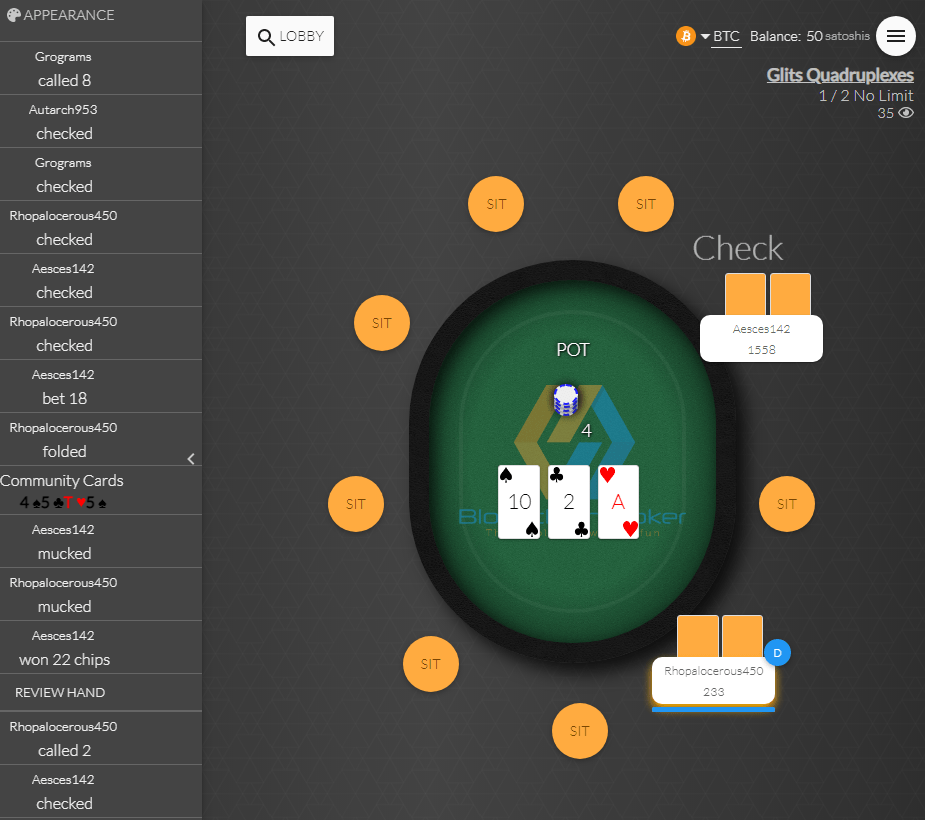
Micro stakes poker is the best classroom in the game. Edges are real, mistakes are frequent, and a disciplined player can build a roll steadily. Success at the smallest limits depends less on fancy plays and more on risk control, table selection, and repeatable decision making. This professional guide lays out the bankroll rules, buy in standards, and mindset habits that protect your money while you learn. Use these tips to replace guesswork with structure and to move up only when your bankroll and skills are ready.
Bankroll management is a set of boundaries that keeps variance from destroying your progress. The purpose is not to eliminate risk. The purpose is to avoid ruin while you gather a large sample of profitable decisions. With a proper bankroll you can handle downswings without emotional decisions and you can take shots at higher games without panic.
Keep poker funds in a separate account or wallet. Never mix rent, bills, or savings with your poker roll. This separation removes pressure and helps you follow the rules consistently.
Choose one format to optimize first. Cash games, sit and gos, and tournaments have different bankroll demands. Mixing formats makes tracking harder and can increase risk. Commit to one lane for at least a quarter before changing.
The right number of buy ins depends on format, rake, and your personal risk tolerance. Micro stakes players should err on the conservative side because rake is meaningful and skill edges are still developing.
Use 40 to 60 full buy ins for your main stake. For example, at 5 cent 10 cent with a 10 dollar max buy in, you want a bankroll of 400 to 600 dollars. If you multi table and play aggressively, lean toward the higher end. If you are extremely disciplined with table selection and quit rules, you can operate closer to 40.
Use 75 to 100 buy ins. Payout structures create swingy sequences and rake is significant at micro limits. Turbo and hyper formats need the upper end. Regular speed can be closer to 75 if you maintain strong game selection.
Use 150 to 300 buy ins for your average buy in. Variance is highest here because of top heavy payouts and large fields. Daily micro events are great practice, but respect the risk. If you play mixed fields with many entrants, hold 300 buy ins until your results stabilize.
Shot taking gives you experience at higher levels without putting the roll in danger. Clear thresholds remove emotion from the decision.
Cash: when you have 70 buy ins for your current stake and at least 5 buy ins for the next level, you may take a two to three table shot. If you lose 3 buy ins at the higher level, return to your main stake and rebuild.
Sit and gos: when you have 120 buy ins for your current set and at least 20 for the next, register a small block of games. If you drop 10 shot buy ins, move down immediately.
Tournaments: when your roll exceeds 250 buy ins for your current average buy in and you can afford 10 entries at the next tier without falling below 200, schedule a small set of higher events. Use strict stop loss rules and return to standard ABI if you lose 5 entries.
Cash: if your roll dips below 40 buy ins for your main stake, step down one level until you recover. Sit and gos: move down if you drop below 60 buy ins. Tournaments: protect the roll by returning to a lower ABI when you fall below 150 buy ins.
At micro stakes, game and seat selection often doubles your win rate compared to random seating. Your bankroll grows fastest when you share tables with players who are loose and passive.
Look for high average pot sizes and a large percentage of players seeing the flop. Prefer tables with short waiting lists and at least two players with deep stacks who enter many pots. Avoid tables filled with regulars who are full stacked and sitting directly to your left.
Position is money. Try to sit on the left of the most aggressive player so you act after them. Try to sit on the right of the loosest player so you can isolate them. If the table changes and the edge disappears, change seats or change tables without hesitation.
Solid preflop ranges keep you out of costly situations. At micro stakes you do not need tricks. You need hands that play cleanly and a plan for each position.
From early positions, open strong suited broadways, pocket pairs, and suited aces with good kickers. From late positions, widen to suited connectors and one gappers that perform well in position. Avoid marginal offsuit gappers that lure you into dominated spots. Keep bet sizing consistent so opponents cannot read your hand strength.
Use a value heavy 3 bet range until you can identify opponents who fold too often. Bluff 3 bets are fine against tight players, but do not bleed chips against sticky callers. Size your 3 bets to deny equity without bloating pots out of position.
Postflop discipline prevents disaster. Focus on board texture, position, and ranges. Avoid the temptation to turn medium strength hands into bluffs unless you understand how they interact with your opponent’s range.
At micro stakes most opponents call too wide. Bet your top pairs and strong draws for value. Use larger sizes on wet boards and smaller sizes on dry ones. When in doubt, choose a value line rather than a fancy check raise attempt.
Top pair weak kicker and second pair often prefer small pot lines. Check back turns when the board improves your opponent’s calling range. Call rather than raise when you are ahead of bluffs but behind value. Conserving chips keeps your bankroll safe while still realizing equity.
Bluff scare cards that favor your perceived range such as high overcards on paired low boards. Choose hands with blockers and backdoor equity. Do not bluff players who call everything. Target the nits who fold turns too often.
Rake is proportionally large at micro stakes. You counter it with good table selection, tight preflop discipline, and consistent volume. Many small sessions outperform one long tilt prone session.
Fast fold pools are convenient but can reduce table selection. Regular tables with seat selection usually beat the pool in hourly rate if you are willing to move around. For tournaments and sit and gos, pick structures with reasonable fees and avoid hyper turbos until your edge is clear.
A simple routine compounds quickly. The goal is to turn each session into feedback for the next. You do not need expensive tools to improve at micro stakes. You need consistency.
Review the 5 biggest pots you played, win or lose. Tag hands where you felt uncertain. Write down the decision in plain language and compare to range charts or simple solvers if available. Then drill one preflop spot for 10 minutes and play a focused 45 to 90 minute session.
Pick one theme such as c bet on ace high boards as the preflop raiser in position. Track every decision related to that theme for a week. This focused exposure creates faster pattern recognition than random review.
Protecting your bankroll is also a mental game. Tilt converts small variance into big losses. Build simple systems that create a calm default and fast recovery when emotions spike.
Set a daily stop loss of 3 buy ins for cash or 20 buy ins for sit and gos. For tournaments use a fixed number of entries or a time window. A modest stop win like 3 buy ins encourages locking profit and reviewing while confident. These rules reduce tilt exposure.
When you feel frustration, stand up, drink water, and write a one sentence summary of the last hand. If your heart rate stays elevated, end the session. Protecting the roll today keeps you available to grind tomorrow.
What gets measured improves. You do not need complex databases to start. A simple spreadsheet that captures volume, win rate, and notes will keep you honest and reveal trends.
Hands played, net profit, bb per 100 for cash, ROI for SNGs and tournaments, and average buy in for MTTs. Add a short note about table quality and mindset to spot correlations. Review weekly and adjust goals in small increments.
Here is a practical plan that many micro stakes players use to establish momentum. Adjust the numbers to your life schedule and risk tolerance.
Pick one format and one main time slot per day. Build to 30 total hours of play and 8 hours of study. Use conservative ranges and quit when you reach your stop points. If you keep the routine for four weeks, your confidence will grow faster than your bankroll.
Increase table selection discipline. Track which tables produce your best bb per 100 and prioritize them. Add a second time slot on two days each week. Begin structured shot taking if your bankroll meets the thresholds.
Raise volume slightly and lengthen review blocks. Introduce warm up checklists before each session and a two minute cooldown after. If results and bankroll are stable, schedule a controlled set of higher games during prime hours.
You can improve without heavy software, but a few tools make learning faster. Use a range chart for common preflop spots, a note taking app to log player tendencies, and a budget friendly tracker to calculate bb per 100 or ROI. Many players keep a neutral reference tab open to compare game types and access practice material, and they browse a compact poker hub like this one while planning sessions. Treat it as a convenience during study rather than a substitute for your own records.
Move up only when your bankroll and win rate both support it. A 50k hand sample with a positive win rate at your current stake plus the shot criteria above is a reasonable benchmark. If the higher level feels uncomfortable, move down quickly and try again later.
Short stacking reduces variance but also caps your hourly rate because you miss value against weak players. If you use a short stack, employ a precise shove fold chart and graduate to deeper stacks as soon as the roll allows.
Bonuses and rakeback matter at micro stakes because they offset fees. Track them separately from your win rate so you know whether your decisions are profitable on their own. Choose programs that reward consistent volume rather than high risk spikes.
A strong bankroll plan lets you learn poker with confidence. Keep poker funds separate, use conservative buy in rules, and move up only when the numbers say yes. Select tables and seats carefully, play solid ranges, and favor value lines over elaborate bluffs. Respect rake, build a simple study loop, follow stop rules, and track your results. Do these things consistently and your micro stakes bankroll will grow with far less stress. When the money and the sample size agree, take shots, review, and repeat. The small edges you stack each week become real progress over time.
 en
en  ES
ES FR
FR DE
DE